
_edited.jpg)
Kythnos island
Kythnos is one of the most authentic and captivating islands of the Cyclades
A rare blend of natural serenity and understated beauty. Just a short distance from Athens, it is an ideal destination for those seeking a true escape from everyday life and a chance to immerse themselves in the calm of the Aegean landscape.

The Island
Where Past and Present Meet
The island is home to 359 churches and chapels, 7 monasteries, 104 bays, and 99 beaches - 60 of which are easily accessible by car. Despite its rich natural variety and deep-rooted history, Kythnos has preserved its traditional charm: timeless villages, stone-paved paths, soft rolling hills, and an atmosphere of tranquility that embraces you from the very first moment

.png)
.png)
.png)
History
Archaeological Sites & Cultural Heritage
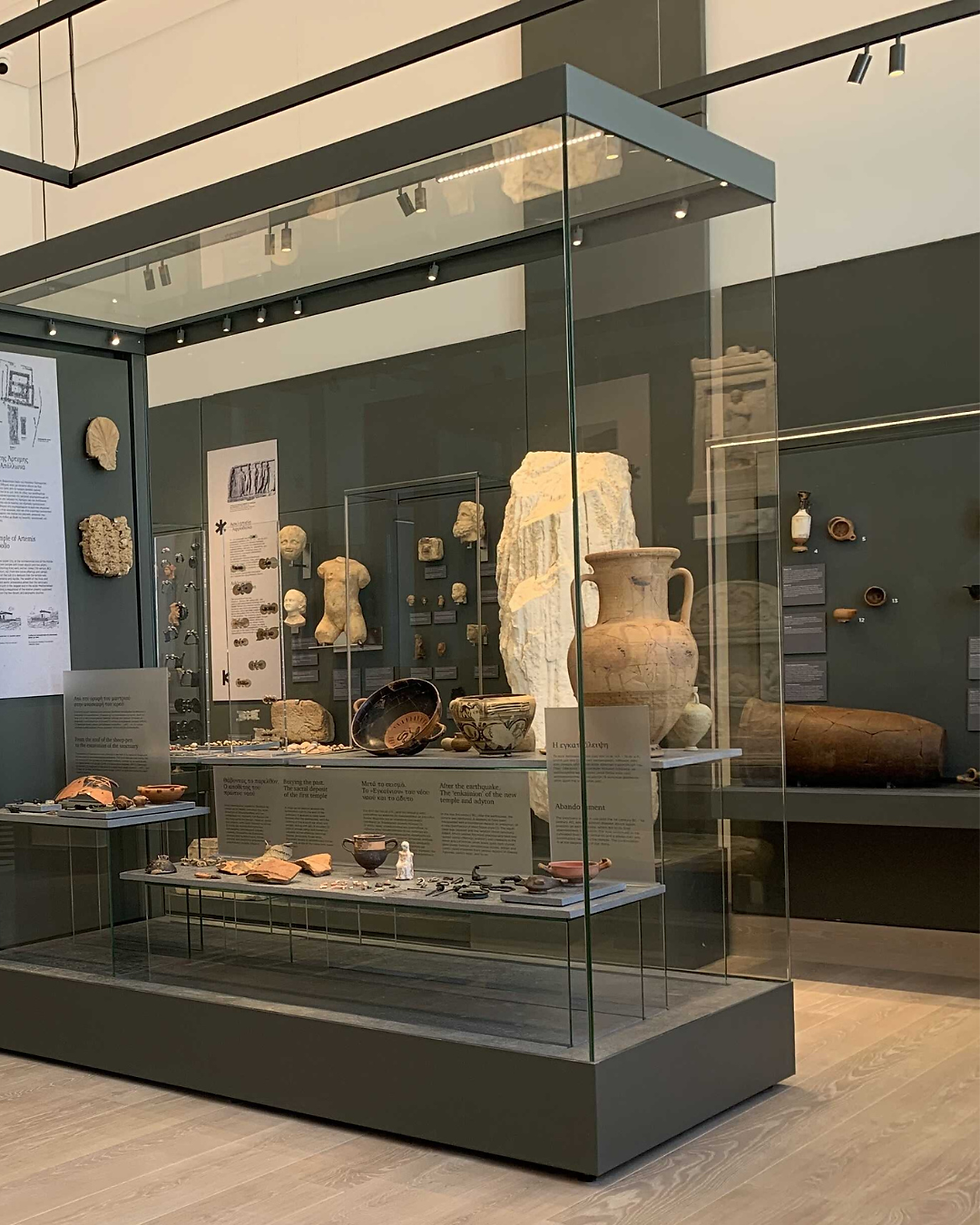
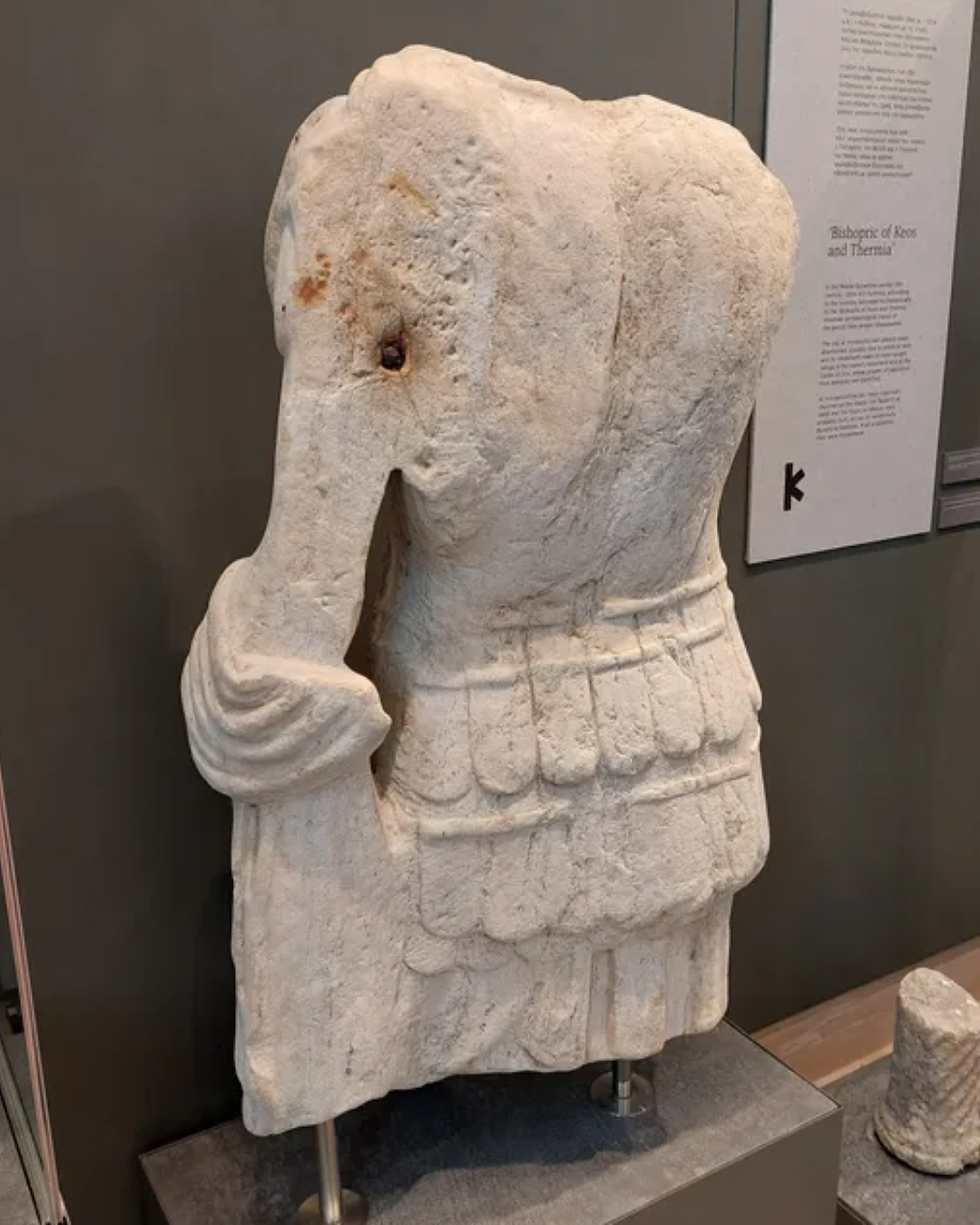
Kythnos is home to a long and fascinating history, revealed through important archaeological sites and discoveries that reflect the island’s continuous presence of life and culture from antiquity to the present day. In Chora, the new Archaeological Museum of Kythnos presents findings of significant historical importance, offering visitors a contemporary and meaningful introduction to the island’s rich past.
Among the most important archaeological landmarks is Vryokastro, the ancient capital of Kythnos, located in the northern part of the island. This extensive archaeological site reveals traces of settlements, temples and fortifications, while its setting offers remarkable views over the Aegean and a unique sense of connection with the island’s history.

Experiences
Hiking Trails & Walking Routes
Kythnos is an ideal destination for those who enjoy hiking and exploring nature. The island features an extensive network of marked and signposted walking trails that cross traditional villages, stone walls, hillsides and secluded beaches, revealing a more authentic and untouched side of the Cyclades.


Traditional settlements
Kythnos does not impress with excess
In Loutra, the thermal springs with their healing properties offer a wellness experience known since antiquity. Further north, the archaeological site and hilltop fortress of Vryokastro reveal the island’s ancient heritage. The northern part of Kythnos, designated as a Natura 2000 area and protected for its exceptional natural beauty, completes this unique mosaic of landscapes.
Kythnos does not impress with excess; it captivates with simplicity, authenticity, and effortless elegance, qualities that make it a destination that stays with you long after you leave.
Chora
The atmosphere of Chora combines liveliness with serenity
Chora of Kythnos, also known as Messaria, is the authentic heart of the island and one of the most beautiful traditional settlements of the Cyclades. Built amphitheatrically between two hills, it preserves its timeless Cycladic character through whitewashed houses, narrow stone-paved alleys, arches and small squares that reveal themselves at every turn.
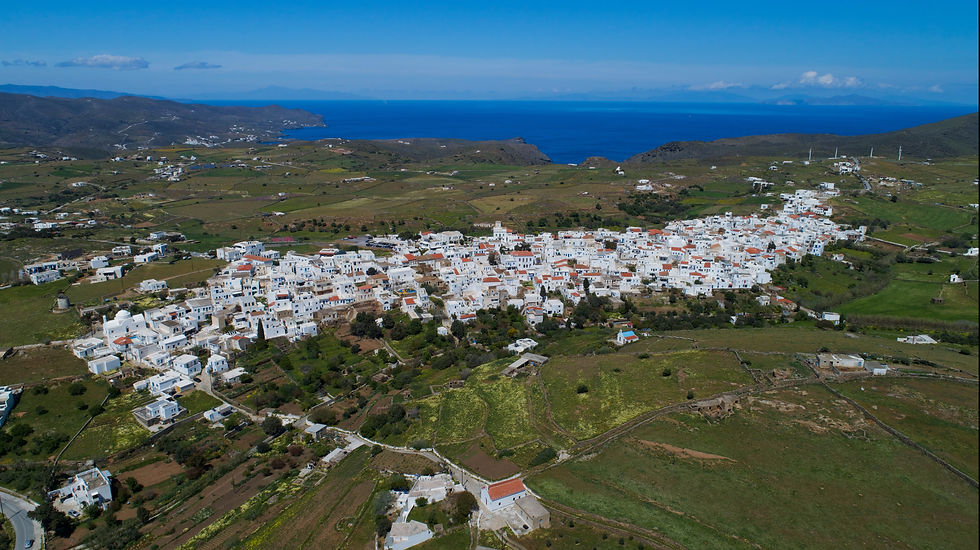
Chora

The atmosphere of Chora combines liveliness with serenity. Small cafés, traditional tavernas and understated local shops create a settlement that remains authentic and welcoming, while maintaining its calm and unhurried rhythm. As you wander through its alleys, you discover glimpses of everyday island life, panoramic viewpoints and the effortless simplicity that defines Kythnos.
Chora is an ideal starting point for exploring the island, offering easy access to beaches, traditional villages and some of Kythnos’ most distinctive locations, while providing an authentic experience of Cycladic living.
Loutra Settlement
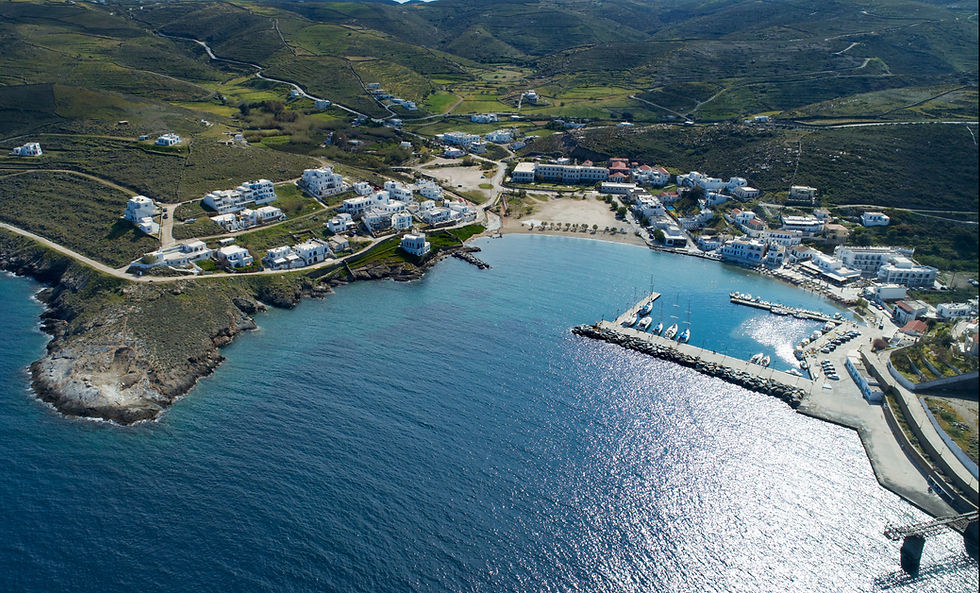
Renowned for its thermal springs
Loutra is one of the most distinctive seaside settlements of Kythnos, renowned for its thermal springs and the sense of well-being that accompanies every visit. Built amphitheatrically around a peaceful natural bay on the north-eastern side of the island, it combines a relaxed Cycladic atmosphere with a subtle cosmopolitan charm.
Loutra has long been connected to the history of Kythnos’ thermal springs, which became particularly renowned as early as the 19th century. During the reign of King Otto, the area developed into an important spa destination, while the historic bath buildings were designed by the renowned Bavarian architect Christian Hansen, creator of some of Athens’ most significant neoclassical landmarks. Their presence still gives Loutra a distinct sense of history and understated elegance.
The area is known for its calm waters, slow-paced rhythm of life and unique natural setting, where the sea meets the thermal springs that have flowed here since antiquity. The sheltered natural bay creates a peaceful setting, ideal for relaxing seaside walks and quiet moments overlooking the Aegean.
Along the waterfront, small tavernas and cafés by the sea offer the authentic hospitality of Kythnos, creating an atmosphere of effortless summer relaxation. Loutra is an ideal destination for those seeking tranquility, authenticity and a slower, more genuine island experience, while also serving as an excellent starting point for exploring the northern beaches and natural landscapes of Kythnos.
Drypida village
Dryopida is one of the most distinctive and authentic settlements of Kythnos
Dryopida is known for its understated architecture and the timeless atmosphere it has preserved throughout the years. Built amphitheatrically in the southern part of the island, it stands out for its narrow stone-paved alleys, tiled roofs, small courtyards and houses with architectural details that set it apart from the typical Cycladic aesthetic.

Dryopida

Wandering through Dryopida reveals a place that feels both authentic and alive, where everyday island life continues at a calm and unhurried pace. Traditional cafés, small local shops and quiet squares create a warm and welcoming atmosphere, ideal for those wishing to experience the more genuine side of Kythnos.
The area is also home to the famous Katafiki Cave, one of the island’s most remarkable natural landmarks, adding another unique experience to a visit to Dryopida. Thanks to its central location, the village serves as an excellent base for exploring both the beaches and the traditional settlements of Kythnos.